The ecosystem pharma trusts
Connecting every partner, data point, and shipment to safeguard pharma products worldwide.

Connecting every partner, data point, and shipment to safeguard pharma products worldwide.

Validaide is the trusted digital backbone of the global pharma supply chain — connecting the world’s leading pharma manufacturers and logistics partners to turn fragmented data into action.
6 of 10
top pharma using Validaide
All top 20
forwarders connected
60,000+
lanes digitized and assessed
1,900+
pharma qualified suppliers
Validaide enables pharma supply chain orchestration by providing a shared foundation for decision-making across the pharma ecosystem
Performance Intelligence
Get a network-level view of how your supply chain actually performs across lanes, regions, and suppliers. Identify recurring risk drivers and focus improvement where it matters most.
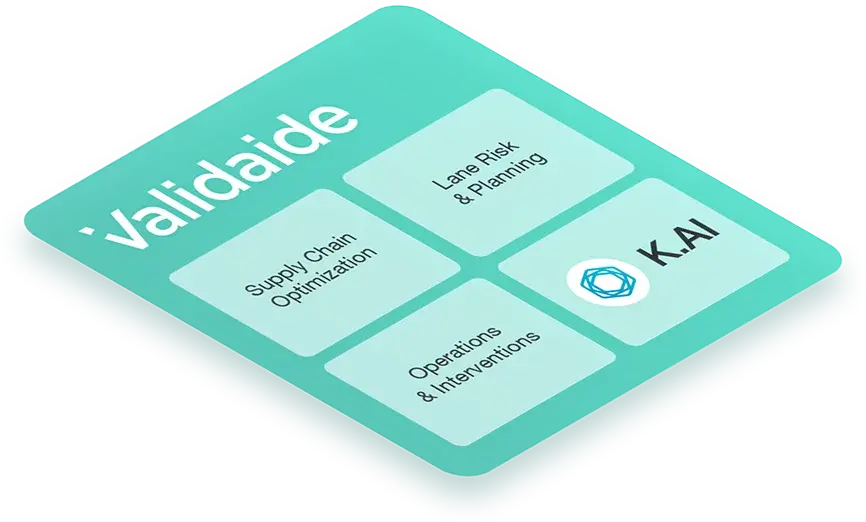
Lane Risk & Planning
Upload lanes and SOPs in any format enriched with LSP capabilities and performance history. Create and approve LRAs at scale, refreshing lanes as conditions change.
Control & Interventions
Identify high-risk shipments before they move and automatically intervene during transit using SOP-aligned guidance that reaches the right operational actor at the right time.
Built for pharma. Validated for compliance.

Validaide unifies pharma and logistics partners’ systems with external data into one intelligent orchestration layer for end-to-end supply chain control.
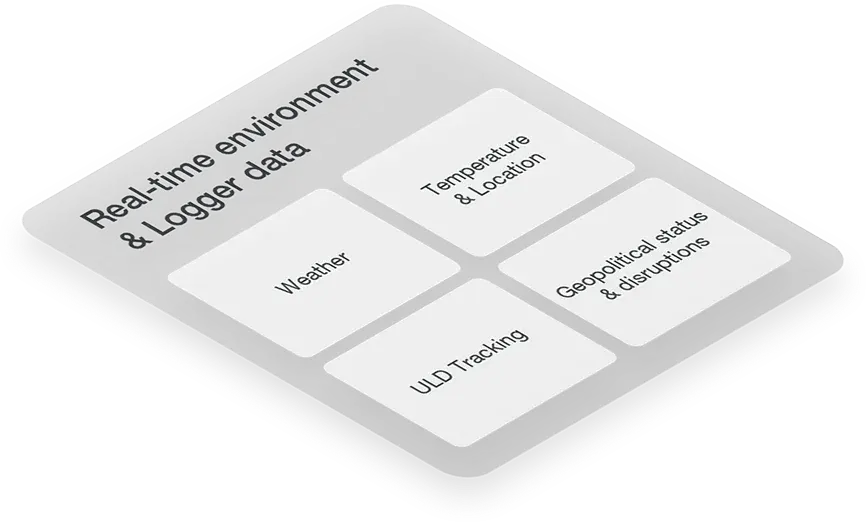
Real-time environment data
Weather · Temperature · Location · ULD Tracking· Geopolitical Status · Disruptions
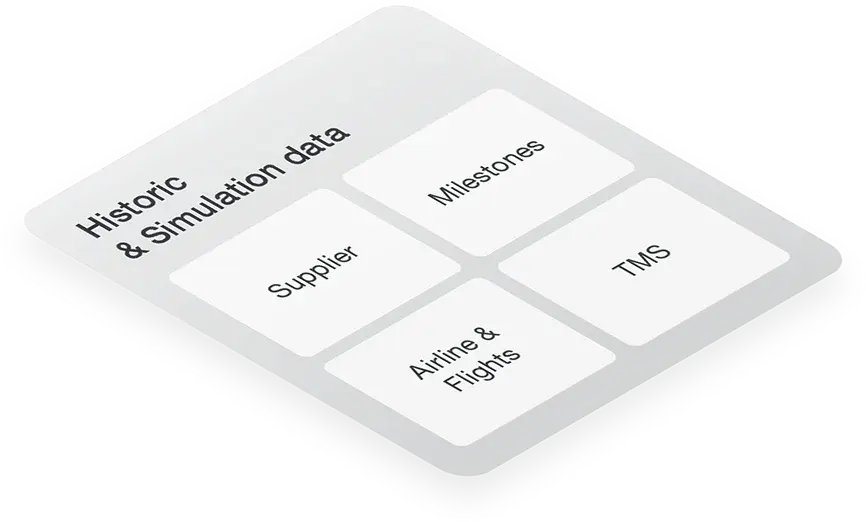
Historic & simulation data
Supplier Data · Lane & Shipment Data · Milestones· Airline & Flight Data · TMS
Validaide Suite
Intelligent Orchestration Layer
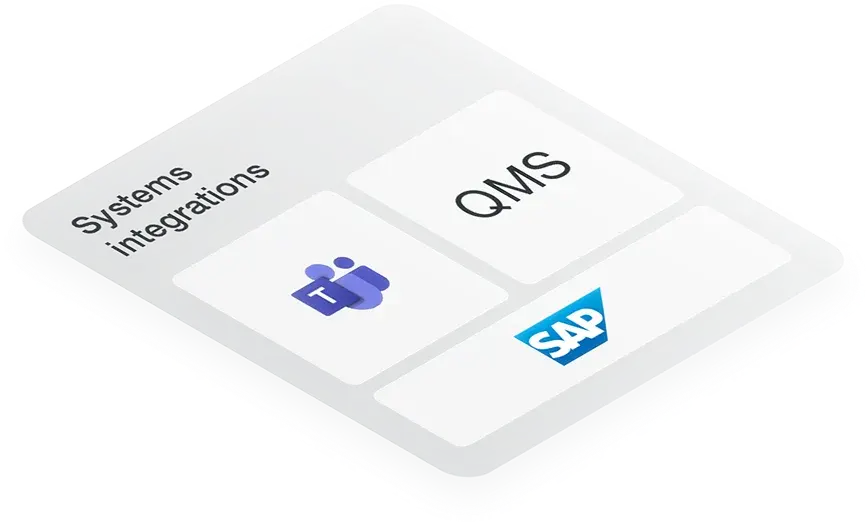
System integrations
Microsoft Teams · QMS · ERP (SAP)
Every pharma supply chain is on a digital maturity journey. Knowing where you are and where you’re headed is the first step to real change. Our model maps the five stages of cold chain digital evolution.
Shipments are completed; compliance is proven after delivery. Exceptions are handled case by case, investigations are manual, and learning does not scale across lanes or partners. Risk is understood retrospectively rather than managed proactively. Compliance is met, but control is lost.
Some lanes, customers, or regions run repeatable processes. Dashboards and documented workflows exist, but adoption is uneven and insights remain local. Improvements are possible in pockets, yet the broader network remains inconsistent. Execution improves while scalability is limited.
Priority lanes operate under standardized qualification and monitoring workflows. Performance can be explained with data, yet interventions remain manual and difficult to scale across the network. Governance exists, but prevention is not yet systematic. Compliance becomes more proactive.
Prevention becomes more common than reaction. Performance data continuously improves lane design, partner selection, and operational decisions across the network. Predictive signals guide proactive adjustments before service or quality are impacted. The supply chain becomes self-learning — resilient by design.
Processes rely on spreadsheets and static PDF reports. USB loggers capture data after a shipment arrives, serving only as audit evidence. Information stays siloed, and every deviation triggers time-consuming investigations. Compliance is met, but control is lost.