What Supply Chain Orchestration Is
Supply chain orchestration is the coordination of suppliers, lanes, packaging, data, and decisions as a single connected system, in place of a stack of disconnected tools. It takes the information a supply chain already produces and turns it into decisions and actions across every partner involved, so a change in one place triggers the right response everywhere else.
The word that matters is coordination. A visibility tool tells a team what is happening. An orchestration layer decides what to do about it and drives that decision across the network: rerouting a shipment, flagging a lane for reassessment, adjusting a packaging choice, alerting the partners who need to act. Orchestration turns a set of observations into a coordinated response.

Why Pharma Needs It More Than Most
Every supply chain benefits from coordination. A pharmaceutical supply chain depends on it, for three reasons that stack on top of each other.
The product is fragile in a specific way. A shipment held between +2°C and +8°C has a limited thermal budget, and once that budget is spent, the product may be unusable no matter what happens next. Decisions have to be made inside a window measured in hours.
The network is unusually crowded. A single lane can involve a manufacturer, a freight forwarder, an airline, a ground handler, a customs broker, and a distributor, each with its own systems and its own view of risk. Coordination across that many parties is the hard part, and it's exactly where a spreadsheet-and-email approach breaks down.
The evidence has to hold up. Good Distribution Practice expects a risk-based, documented, defensible process. A coordinated system that records what was decided and why produces that evidence as a byproduct, where a scramble of phone calls and forwarded emails produces a gap in the audit trail.
The Building Blocks of Orchestration
Orchestration rests on four layers, each one depending on the one beneath it.
-
A shared data foundation: Verified, current information on suppliers, lanes, packaging, and shipments, held in one place every partner can read. Coordination is impossible when each party works from its own copy of the truth.
-
A common standard: One agreed way to score risk, quality, and performance, so "high risk" means the same thing to a planner in Basel and a forwarder in Singapore. A shared standard is what makes decisions comparable across the network.
-
Decisioning: The logic that turns data into a recommended action, whether that's a reroute, a packaging change, or a lane held for review. This is the layer that separates orchestration from a dashboard.
-
Coordinated action: The ability to push a decision to every partner who needs to act on it, and to record that it happened. A decision that reaches one team and stalls before the others is a decision that fails in transit.
Where Orchestration Pays Off
The return shows up in the moments a supply chain usually loses time. When a lane's risk profile shifts, an orchestrated network reassesses it and flags the shipments affected, before they move. When a disruption hits, the network already holds the data to model alternatives and coordinate a reroute across partners. And when an auditor asks for the reasoning behind a lane decision, the record is already there, because the decision was made inside the system, so the record exists by default.
How Validaide Approaches Orchestration
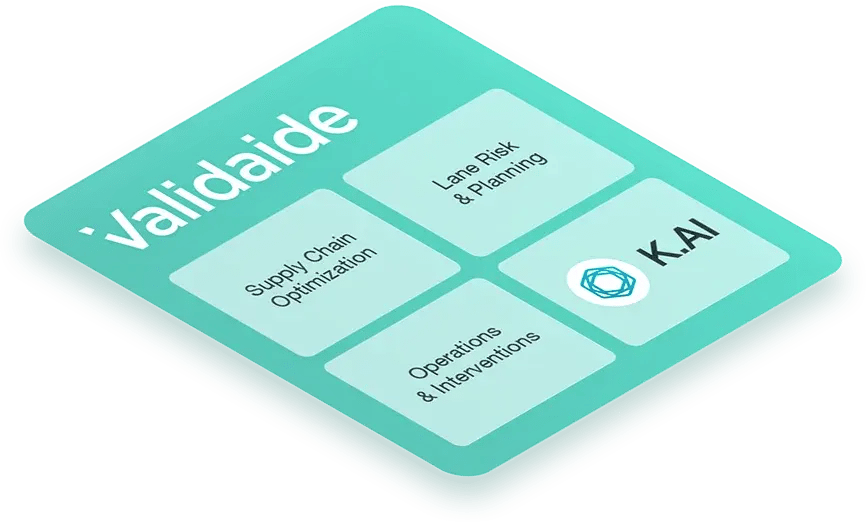
Validaide was built as an orchestration layer for pharmaceutical logistics, built to act on supply chain data and record the decisions it drives. Its foundation is verified data from more than 1,900 qualified suppliers across a network of over 60,000 assessed lanes. Its common standard is the Dynamic Pharma Index, one continuously updated score that rates risk, quality, and performance the same way for every lane, so partners share a single definition of risk.
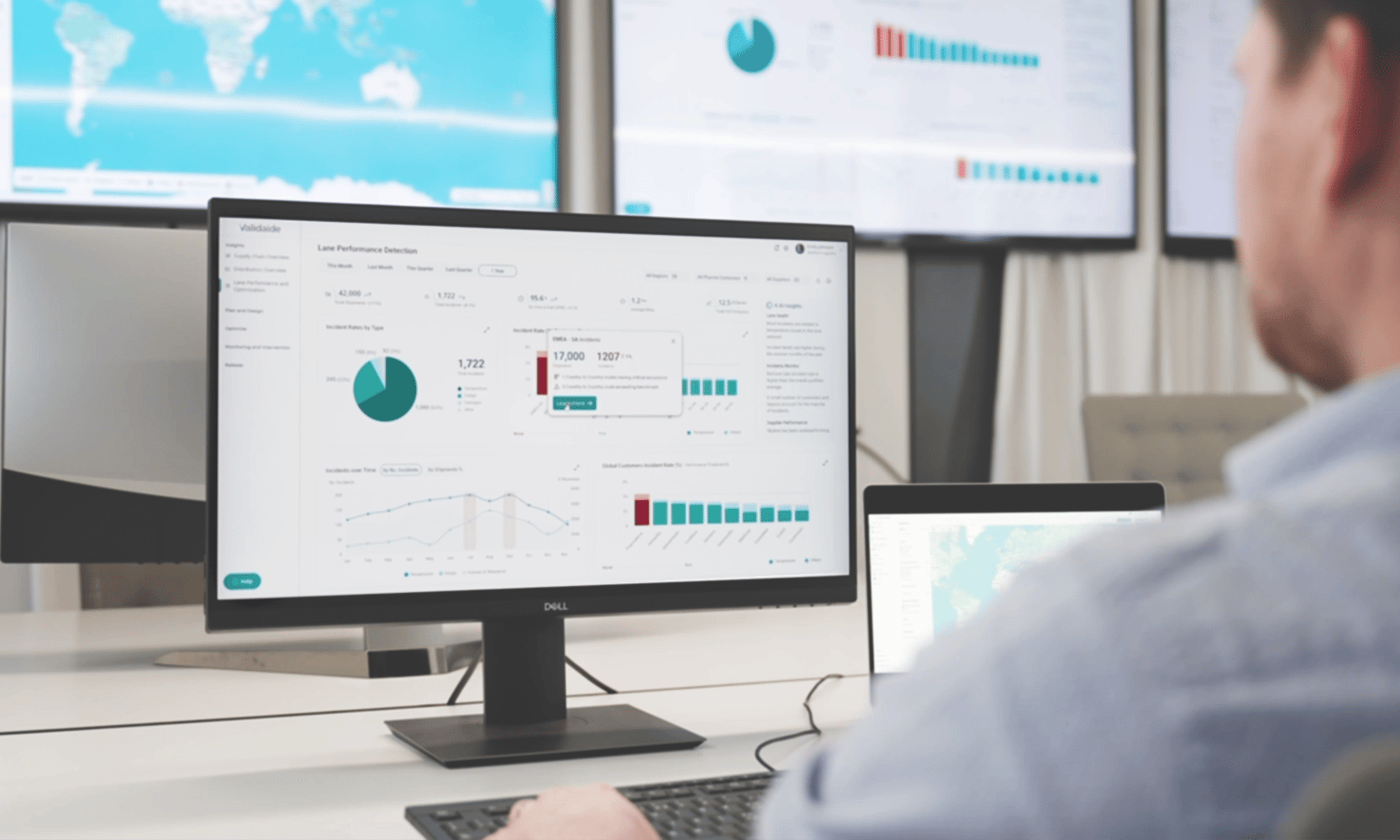
On top of that, Validaide connects the decisions that follow. A lane's risk score points to the packaging and monitoring it needs, lanes are flagged for reassessment as conditions change, and the whole network works from one source of truth across regions, partners, and routes. The result is a supply chain where a change in one place reaches everyone who needs to act on it, with the reasoning recorded along the way.
References